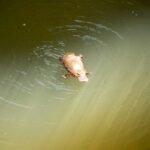
Georgia is not Florida. It does not have warm springs, dedicated manatee refuges or swim-with programmes. What it does have is a remarkably productive stretch of Atlantic coastline — the Golden Isles, the Lowcountry, the ACE Basin — where West Indian manatees spend the warmer months grazing in salt marshes, estuaries and tidal creeks.
Manatees are present along the Georgia coast from roughly May to October. They arrive as waters warm and retreat south before the autumn chill. Sightings are never guaranteed, but the coastal waterways here are shallow and calm — ideal manatee habitat. You’re most likely to find them feeding among sea grass beds or resting in sun-warmed shallows near river mouths.
This wildlife-spotting guide takes you through the best places to look for manatees in Georgia.
Jekyll Island and the Golden Isles
Jekyll Island, a barrier island 90 miles south of Savannah, offers the most consistent manatee sightings on the Georgia coast. The tidal creeks and inlets around the island hold sea grass meadows that attract manatees from summer into early autumn. The surrounding waterways also draw bottlenose dolphins, sea turtles and wading birds in impressive numbers.
The best way to access these waters is by boat. A dolphin and wildlife boat tour from Jekyll Island’s historic wharf cruises through coastal waterways, salt marshes and past wild beaches. Captains are licensed Master Mariners with deep knowledge of local wildlife. Manatees, sea turtles and seabirds are regularly spotted alongside the resident dolphin pods. Multiple departure times are available daily.
Jekyll Island itself rewards time beyond the water. The Georgia Sea Turtle Center on the island rehabilitates injured sea turtles and is open to visitors. The island’s 20 miles of car-free paths make it unusually easy to explore on foot or by bicycle.
Savannah and Tybee Island
The waters around Savannah and its barrier island, Tybee, form part of the same Georgia Bight ecosystem. Manatees move through the tidal creeks and estuaries here, particularly around the Wassaw National Wildlife Refuge and the marshes south of the city.
Savannah’s Lowcountry waterways are best explored by kayak or small boat. Several operators run naturalist-guided paddle tours through the salt marshes, where manatees are occasionally spotted alongside herons, egrets, dolphins and alligators. The combination of species makes any wildlife tour here worthwhile, even on days when manatees prove elusive.
The Savannah area is best visited for manatees between June and September. Water temperatures peak in this period, and manatees are most likely to be present in shallow inshore areas.
If there are no manatees around, you can check out other aquatic life at the Tybee Island Marine Science Center.
5 great Savannah experiences to book
- 🚋 Take a trolley tour with a twist – the Savannah for Morons comedy tour.
- 🕯️ On a candlelit ghost tour, discover Savannah’s haunted history.
- 🌳 See the famous trees of Bonaventure Cemetery on a golf cart tour.
- 🐬 Head to Tybee Island on a day tour – with a dolphin cruise thrown in.
- 🍽️ Taste the flavours of the South on a food tour and historic pub crawl.
Cumberland Island
Cumberland Island, Georgia’s largest and southernmost barrier island, is one of the most extraordinary wildlife destinations on the US East Coast. The island is accessible only by ferry from St Marys and has no paved roads. Its wild horses, wild turkeys, armadillos and nesting sea turtles share the island with a small permanent population of rangers and residents.
Manatees use the tidal creeks on the island’s sheltered western side throughout the warmer months. The Cumberland Sound, separating the island from the mainland, is a productive area — calm, shallow and rich in sea grass. Kayakers exploring the western waterways have the best chance of encounters.
Access is managed by the National Park Service. Ferry tickets should be booked well in advance, especially in summer. The island has limited visitor facilities, so come prepared.
The ACE Basin, south of Charleston
Straddling the Georgia-South Carolina border, the ACE Basin — named for the Ashepoo, Combahee and Edisto rivers — is one of the largest undeveloped estuaries on the US East Coast. It covers roughly 350,000 acres of tidal marshland, cypress swamp and barrier island shoreline.
Manatees move into the ACE Basin in summer, using the river mouths and tidal creeks as feeding grounds. The area is managed as a patchwork of wildlife refuges and conservation lands, with boat launch access at several points. The Bear Island Wildlife Management Area and the waters around St Helena Sound are particularly productive.
This is independent-visitor territory. There are no dedicated manatee tours operating here, but kayak and canoe access is straightforward. A boat with a shallow draft is the most practical way to explore the inner creeks where manatees tend to congregate.
Practical tips for seeing manatees in Georgia
When to go
Georgia manatee season runs roughly May to October, with the peak window from June to September. Water temperatures above 20°C are required for manatees to remain comfortable. By November, most have moved south into Florida.
Boat safety
Boat strikes are the leading cause of manatee injury and death. Georgia law requires vessels to travel at idle speed in areas where manatees are present. Always watch for surfacing animals, especially in shallow tidal creeks, and never approach within three metres of a manatee.
What to look for
Manatees surface to breathe every three to five minutes. Watch for a large, smooth disturbance on the water surface — not a splash, more of a gentle upwelling — followed by nostrils breaking the surface. Footprints, or flat circular patches on the water left by a manatee’s tail stroke just below the surface, are another reliable indicator.
More Georgia travel
Other Georgia travel articles on Planet Whitley include:
- First time visitor guides to the Webb Military Museum, Savannah History Museum and American Prohibition Museum in Savannah.
- What to expect on a visit to Old Fort Jackson in Savannah.
- Plan your trip to the Georgia State Railroad Museum in Savannah.
- What are the best stops on the Atlanta to Savannah drive?
- The best stops on the Savannah to Jacksonville drive.