The Berkeley Plantation in Charles City, Virginia is a historic estate and the site of the first official Thanksgiving in America. This guide delivers fundamental practical information for your first visit, including the latest opening hours, ticket prices, transport options, accessibility, and useful planning tips. It was updated in September 2026 to reflect recent price increases.
Overview: History, what to expect, and unique features of Berkeley Plantation
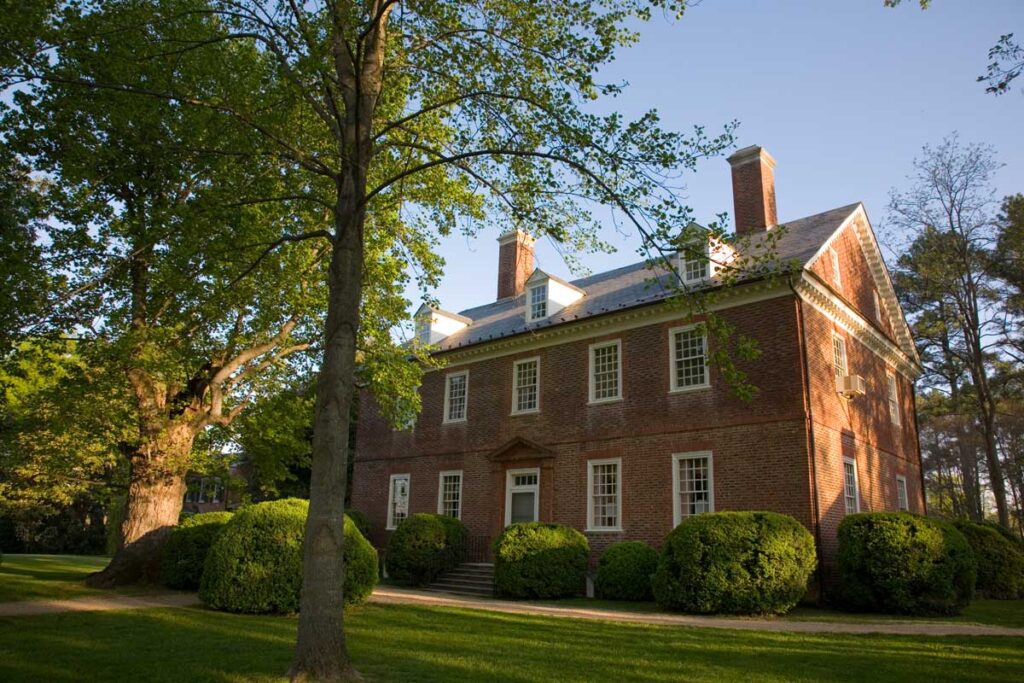
Berkeley Plantation, located along the James River in Charles City County, is recognized as one of the most historically significant plantations in Virginia. Its history spans four centuries, beginning with the 1619 landing of English settlers who observed what the site owners cite as the first official Thanksgiving in America, predating the Pilgrims’ celebration. The plantation’s main residence, a three-story brick Georgian mansion built in 1726, is an important architectural landmark.
The site is notable as the birthplace of U.S. president: William Henry Harrison (the ninth president). It was also the ancestral home of Benjamin Harrison V, a signer of the Declaration of Independence and three-time Governor of Virginia. During the Civil War, the plantation was occupied by General George B. McClellan’s Union Army, serving as their headquarters in 1862. It was here, while camped at the site known as Harrison’s Landing, that General Daniel Butterfield composed the familiar bugle call, “Taps.”
Visitors can expect a blend of mansion, garden, and museum tours at one of several Presidents’ homes in Virginia. Guided house tours feature a rare collection of 18th-century antiques and offer narratives covering the Harrison family, the first Thanksgiving claim, and the Civil War occupation. The grounds include five terraces of restored gardens that lead down to the James River. The site also features exhibits on the lives of the enslaved workers who lived and labored at Berkeley, providing a more considered view of colonial life.
Planning your visit to Berkeley Plantation
General admission covers access to the house tour, gardens, grounds, exhibits, and the basement museum.
- House tours: Tours of the 1726 Georgian mansion are led by costumed guides and are typically conducted every hour throughout the day.
- Gardens and grounds: The terraced gardens and grounds, which offer river views, are self-guided. Visitors are encouraged to explore the outbuildings, including the original kitchen and reconstructed enslaved quarters.
- Seasonal events: Berkeley hosts several annual events, including a celebration of the 1619 Thanksgiving on the first Sunday in November, and various historical tours throughout the year, such as Civil War-focused programs.
- Duration: It is recommended to allow at least two hours for your visit to fully appreciate the house tour and explore the extensive grounds and exhibits.
Admission and typical operating hours for Berkeley Plantation
The plantation is generally open daily, with closures observed on major holidays and from January 1 to March 14. You can check for unexpected closures on the Berkeley Plantation website.
The following Berkeley Plantation opening hours and ticket prices were checked and updated in September 2026.
| Item | Details (checked December 2025) | Notes |
|---|---|---|
| Hours of operation | Generally 9:30 a.m. to 4:30 p.m. daily (Ticket Sales). Grounds are open later. Everything closes an hour earlier in November and December. Closed January to mid-March. | Closed on Thanksgiving Day, Christmas Eve, and Christmas Day. |
| Adult admission | $19.00 (General Admission) | Includes guided house tour, gardens, and exhibits. |
| Senior (60+) / Military | $17.50 / $17.50 | Discounted general admission rate. |
| Children (ages 6–16) | $8 | Children under 6 are free. |
Things to do near Berkeley Plantation
- Sherwood Forest Plantation – The former home of President John Tyler is along the same historic Route 5 corridor as Berkeley Plantation. The estate is known for its long white-painted frame house and provides another perspective on Virginia’s presidential history.
- Westover Plantation – This historic James River plantation is close to Berkeley and is known for its Georgian architecture, gardens and views over the river. It is a natural addition to a visit focused on the historic plantations of Charles City County.
- Shirley Plantation – Dating back to 1613, Shirley Plantation is another historic estate along the James River and is one of the oldest continuously operating family-owned businesses in North America. Its location makes it particularly easy to combine with Berkeley and the other Route 5 plantations.
- Virginia Capital Trail – This 52-mile paved trail connects Richmond and Jamestown, following much of the historic James River corridor. Sections of the trail provide access to the landscape and historic sites around the plantations.
- Historic Jamestowne – The archaeological site of the original Jamestown settlement is part of the wider Historic Triangle and explores the early English settlement of Virginia. It provides useful historical context for Berkeley’s much later plantation history.
Alternative attractions
- Bacon’s Castle – In Surry, Bacon’s Castle is a remarkably preserved 17th-century brick house and one of the oldest surviving houses in Virginia. It is a particularly relevant alternative for visitors interested in early Virginia architecture and plantation history.
- Chippokes Plantation State Park – Across the James River from the plantation corridor, Chippokes preserves a historic plantation landscape and includes the 19th-century Chippokes Plantation House. It offers another way to explore Virginia’s agricultural and plantation history.
- Smith’s Fort Plantation – Also in Surry, this historic site is associated with the early English settlement of Virginia and the Smith family. It provides another small-scale historic attraction within the same broader James River region.
- Colonial Williamsburg – The restored historic district recreates the colonial capital of Virginia through historic buildings, museums and demonstrations. It is a useful alternative for visitors interested in Virginia’s colonial history rather than focusing specifically on presidential homes and plantations.
- Yorktown Battlefield – Part of the Historic Triangle, Yorktown Battlefield preserves the site of the decisive 1781 Revolutionary War campaign. Its historic landscape and interpretation make it another substantial history attraction within the wider Williamsburg area.
FAQs (Frequently Asked Questions) about Berkeley Plantation
| Question | Answer |
|---|---|
| Is Berkeley Plantation the site of the first Thanksgiving? | The plantation owners assert that a service of thanksgiving was held here on December 4, 1619, by English settlers, marking America’s first official annual Thanksgiving, one year before the Plymouth celebration. |
| What is the connection between Berkeley Plantation and “Taps”? | The well-known military bugle call “Taps” was composed by General Daniel Butterfield and first played here in 1862 when the plantation was the Union Army’s headquarters during the Civil War. |
| What presidents were born at Berkeley Plantation? | William Henry Harrison (ninth U.S. President) was born here. His great-grandson, Benjamin Harrison (twenty-third U.S. President) was born in Ohio. |
| Are the slave quarters viewable? | Yes, the grounds include exhibits, including a reconstructed slave quarters and the original kitchen dependency, which explore the history of the enslaved population at the site. |
| Are reservations required for a visit? | Reservations are generally only required for groups of 10 or more people, and for specialized events like ghost tours or themed Civil War tours. |