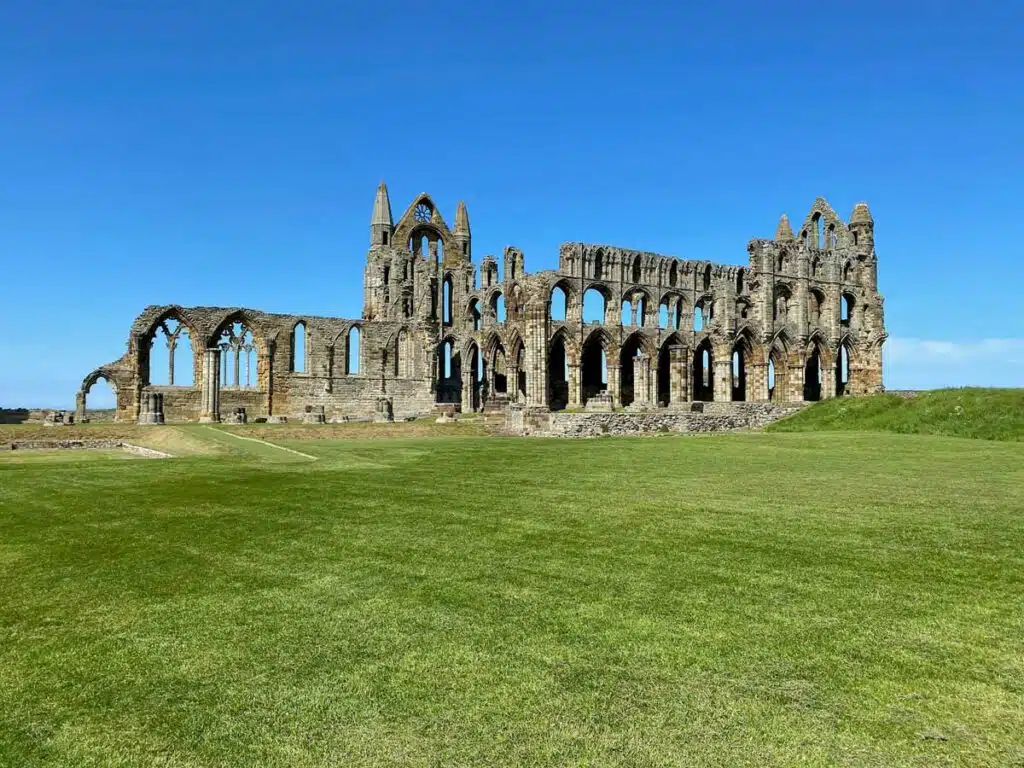
England’s historic landscape reveals itself through more than 400 sites managed by English Heritage — from the windswept drama of Hadrian’s Wall forts and the Gothic magnificence of Whitby Abbey to the medieval intrigue of Tintagel Castle and the prehistoric mystery of Stonehenge. These aren’t museum pieces behind glass; they’re ruins you can climb, Roman bathhouses you can explore, and Tudor gardens you can wander through whilst imagining the lives that once animated these stones. Yet visiting English Heritage sites intelligently requires understanding the organisation’s pricing structure, which can initially seem prohibitively expensive until you grasp the economics of annual membership — particularly if you’re travelling with children, when the mathematics shifts dramatically in your favour.
These English Heritage guides provide the practical information that determines whether your visit runs smoothly or becomes frustratingly complicated. Each article covers opening hours, ticket prices, parking arrangements and specific visitor tips for individual sites, from the Art Deco splendour of Eltham Palace in London to the remote coastal drama of Dunstanburgh Castle in Northumberland. You’ll also find guidance on accessing certain sites without paying the full entry fee (such as reaching Tintagel’s most dramatic viewpoint), understanding parking costs at Stonehenge, and navigating the significant distances involved when exploring Hadrian’s Wall attractions like Housesteads, Chesters and Corbridge Roman Town. Whether you’re planning a concentrated heritage tour or simply adding one or two historic sites to a broader English itinerary, these guides help you arrive prepared rather than surprised.
Is it worth paying for English Heritage membership?
Entry prices for English Heritage sites, including Dover Castle, Stonehenge and Tintagel Castle, can seem extremely expensive. This is clearly a deliberate ploy to push visitors towards taking out annual English Heritage membership.
Membership gives free access to more than 400 sites across the country, and costs £82. That is, unless you get a special deal – there was a 25%-off Black Friday deal in November 2025, for example.
Whether that £82 is worth it depends on how many sites are near you (there are lots in the south of the country, not so many near me in Yorkshire). And, critically, whether you’re going to visit them with children.
Each member can take up to six children with them free of charge. Given the steep one-time entry fees, an adult member with two children is likely to recoup the cost of their membership by visiting just two or three sites within the year.
For an individual without children, I’d say English Heritage membership is worth it only if you’re planning to blitz a few sites in one year. For an individual with children, membership is a smart investment that will likely pay itself back within one school holiday. To me, it’s a no-brainer.
The real question is whether it’s worth renewing English Heritage membership after a year. That’s debatable, as you’re unlikely to go to many of these sites twice. I eventually renewed after I was offered 20% off the price. I’ll probably recoup the membership price visiting two sites in summer next year, even if I’ve ticked off most of the best ones near me.
If you buy membership through this link, I earn a small commission at no extra cost to you.
English Heritage sites in London
- A practical guide to visiting Eltham Palace.
- A practical guide to visiting Kenwood House.
- Plan your visit to Jewel Tower in Westminster.
- How to get the best our of a visit to Marble Hill in Twickenham.
- Visit the home of Charles Darwin – Down House.
- Marvel at the Duke of Wellington’s home – Apsley House.
English Heritage sites in South-East England
- A practical guide to visiting Dover Castle.
- What to expect at Waverley Abbey in Surrey.
- Guide to parking at Battle Abbey.
- Plan your visit to Portchester Castle in Hampshire.
- What you need to know before visiting Walmer Castle and Gardens on the Kent coast.
- Practical guide to visiting St Augustine’s Abbey in Canterbury.
English Heritage sites in South-West England
- How to get into the best bit of Tintagel Castle without paying.
- How much does it cost to park at Stonehenge?
- What first time visitors need to know about Old Sarum in Wiltshire.
- Visiting Berry Pomeroy Castle in Devon – England’s most haunted castle.
English Heritage sites in the East of England
- Make the most of a visit to Framlingham Castle in Suffolk.
English Heritage sites in the East Midlands
- What to expect at Peveril Castle, Castleton.
- Exploring the Elizabethan ruins of Kirby Hall.
- Discovering Pilgrim history at Gainsborough Old Hall in Lincolnshire.
- A practical guide to visiting Ashby-de-la-Zouch Castle.
English Heritage sites in the West Midlands
- Practical tips for visiting Kenilworth Castle.
- Visitor tips for Stokesay Castle in Shropshire.
- Plan a visit to Witley Court and Gardens in Worcestershire.
English Heritage sites in Yorkshire
- A practical guide to visiting Clifford’s Tower in York.
- Practical visitor guide to Rievaulx Abbey near Helmsley.
- What to see and do at Helmsley Castle.
- What first time visitors need to know about visiting Whitby Abbey.
- Guide to visiting Fountains Abbey and Studley Royal.
- The best bits of Byland Abbey.
English Heritage sites in North-East England
- Get the right times, prices and transport information for Tynemouth Priory and Castle.
- A practical guide to Corbridge Roman Town.
- What to expect when visiting Chesters Roman Fort on Hadrian’s Wall.
- Planning a visit to Housesteads Roman Fort on Hadrian’s Wall.
- Lindisfarne Priory visitor tips.
- A practical guide to Dunstanburgh Castle.
- First-time visitors’ guides to Warkworth Castle and Belsay Hall, Castle and Gardens near Morpeth.
English Heritage sites in North-West England
- Prices, opening hours and visitor tips for Beeston Castle in Cheshire.
- Practical guide to visiting Carlisle Castle in Cumbria.
- Plan your visit to Birdoswald Roman Fort in Cumbria.
- What to expect at Lanercost Priory in Cumbria.