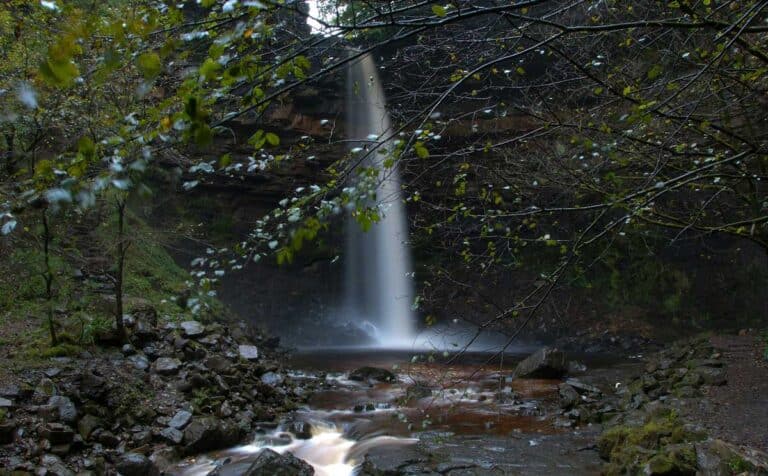
North Yorkshire is England’s largest county and one of its most rewarding destinations. This is a landscape that shifts dramatically from the limestone plateaus of the Yorkshire Dales to the purple heather moorland of the North York Moors, culminating in a North Sea coastline studded with fishing villages and Gothic ruins. Visitors are drawn to its verdant valleys hiding medieval abbeys, elegant Victorian spa towns, and a rich literary and maritime heritage—from Captain Cook’s origins in Whitby to the veterinary tales of James Herriot. These travel guides cover the region’s essential attractions with practical visitor information on opening hours, admission prices, and parking.
Abbeys and Monastic Ruins
The remote valleys of North Yorkshire were favored by Cistercian and Carthusian monks, leaving behind some of the most spectacular religious ruins in Europe. These guides cover what to see and how to plan your visit.
Fountains Abbey and Studley Royal: A complete visitor guide: How to explore England’s largest monastic ruin—a spectacular UNESCO World Heritage Site that seamlessly combines 12th-century Cistercian ruins with Georgian water gardens.
Rievaulx Abbey: Hours, prices, and visitor tips: Plan your visit to one of England’s finest ruins, set in a steep, wooded valley near Helmsley that makes it unlike any other abbey in the country.
Byland Abbey: What to see and visitor essentials: A guide to the quietest and most underrated of North Yorkshire’s great Cistercian abbeys, featuring outstanding medieval floor tiles.
Mount Grace Priory: Opening hours and ticket prices: Discover the uniquely well-preserved ruins of a Carthusian monastery, combined with a beautiful Arts and Crafts manor house.
Whitby Abbey: What first-time visitors need to know: Logistics for visiting the haunting clifftop ruins that inspired Bram Stoker’s Dracula, overlooking the North Sea.
Medieval Castles and Strongholds
From the rugged North Sea coast to the edge of the moors, the county is heavily fortified with Norman history. Here is how to explore North Yorkshire’s historic castles.
Scarborough Castle: 3,000 years of coastal history: Plan your visit to this imposing headland fortress offering panoramic views over both the North and South bays of Scarborough.
Richmond Castle: Norman history above the River Swale: Ticket prices and logistics for exploring one of the greatest Norman fortresses in Britain.
Middleham Castle: The childhood home of Richard III: Opening hours and tickets for exploring the massive ruins of this Wensleydale stronghold.
Helmsley Castle: Guide to hours, prices, and accessibility: What to expect at this well-preserved medieval castle evolving over centuries in one of North Yorkshire’s most attractive market towns.
Pickering Castle: Visitor guide and opening hours: How to plan your visit to this classic 13th-century motte-and-bailey fortification on the edge of the North York Moors.
Bolton Castle in Wensleydale: Visitor guide with ticket prices and opening hours: Plan your visit to the 14th century castle that’s much-loved by All Creatures Great and Small fans.
The Yorkshire Dales: Waterfalls and Trails
The Dales are famous for their stepped limestone cascades and dramatic river drops. These guides cover the parking, walking distances, and access information you need before setting off.
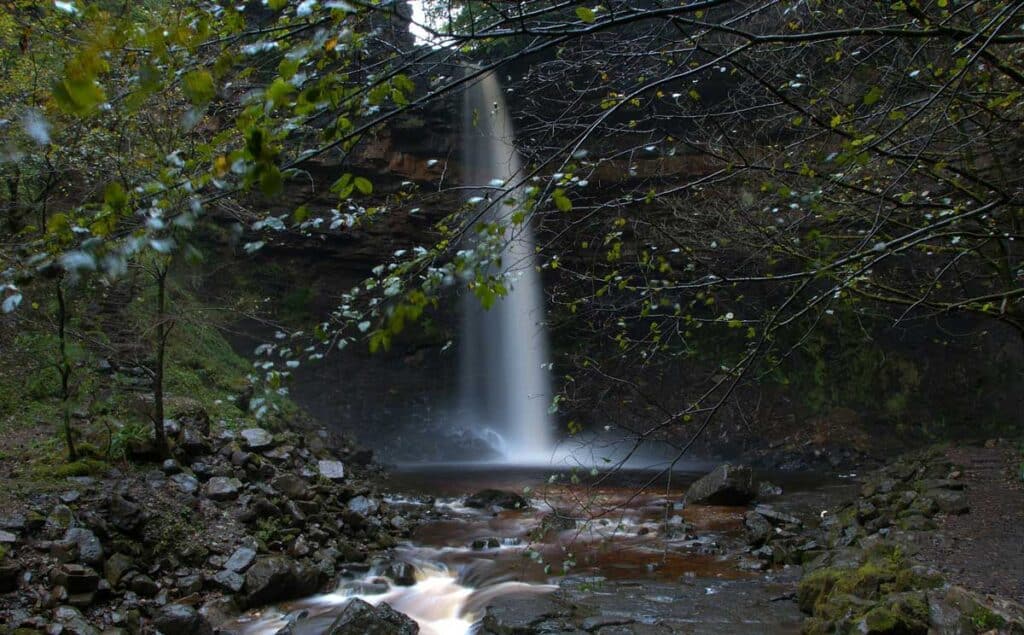
Hardraw Force Waterfall: Access, cost, and walking guide: How to reach England’s tallest single-drop waterfall via a short, accessible walk through the grounds of a historic Dales pub.
Aysgarth Falls: Parking, hours, and visitor guide: Discover the three tiers of broad limestone waterfalls in Wensleydale, surrounded by ancient woodland trails.
Linton Falls: Visitor guide with parking and access information: How to visit this beautiful, lesser-known series of cascades on the River Wharfe, close to Grassington.
Geological Wonders and Landmarks
Beyond the waterfalls, the geography of North Yorkshire features staggering limestone cliffs, vast underground caverns, and monumental Victorian engineering.
Malham Cove: Parking, prices, and a 2026 visitor guide: A logistical guide to the breathtaking curved limestone cliff and pavement top familiar from the Harry Potter films.
Ribblehead Viaduct: Parking and 2026 visitor guide: Logistics for viewing the iconic Settle–Carlisle railway viaduct, standing 24 metres above the Ribble valley with Whernside as its backdrop.
Stump Cross Caverns: Prices, opening times, and visitor advice: Explore an extensive show cave system beneath the moors of Nidderdale, featuring stunning formations up to 500,000 years old.
Gardens, Museums, and Heritage
North Yorkshire has a brilliant cultural offer: world-class gardens, literary hubs, and vital maritime history. These guides cover what’s worth your time and what to know before you go.
RHS Garden Harlow Carr: Prices, opening hours, and visitor guide: Plan a trip to 58 acres of RHS-managed gardens in Harrogate, including streamside planting and the famous Betty’s Café Tea Rooms.
The World of James Herriot: A complete visitor guide: Step inside the real-life Thirsk surgery of vet and author Alf Wight, recreated as a museum celebrating All Creatures Great and Small.
Captain Cook Memorial Museum: Hours, parking, and visitor tips: Explore the harbourside house in Whitby where a teenage James Cook lodged as an apprentice before his voyages of discovery.
Ripon Cathedral: What to expect on a visit: A practical guide to one of England’s oldest places of Christian worship, complete with a crypt dating back to 672 AD.
Practical Planning and Itineraries
North Yorkshire heavily rewards those who plan ahead. Many popular natural attractions have limited parking that fills early on summer weekends. To get the most out of the region, it helps to understand the distances involved and the best times to visit.
How many days do you need in North Yorkshire?
A long weekend (three to four days) is enough to cover one area in depth—for example, the abbeys and market towns of the Ryedale and Howardian Hills, or the Dales waterfalls and Harrogate. A full week allows you to combine the Dales, the Moors, and the coast without feeling rushed. (Whitby merits at least a full day on its own, while Fountains Abbey needs three to four hours minimum).
Is North Yorkshire worth visiting?
Absolutely. North Yorkshire has more variety than almost any other English county, and many of its most rewarding attractions remain genuinely uncrowded even in peak season. The primary challenge is that distances between sites are significant, making a car more or less essential for exploring the national parks efficiently. Visiting in spring or early autumn generally means better parking availability, lower admission queues, and conditions that are more interesting underfoot for waterfall walks than during the dry summer months.