Detroit travel guide: automotive heritage, museums and road trips
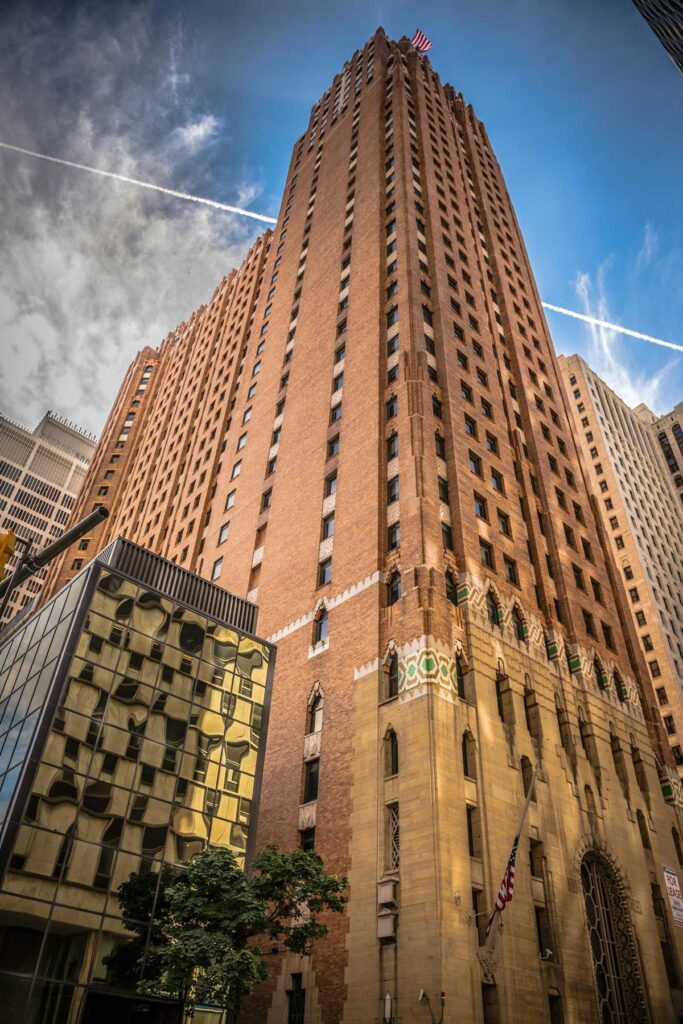
Detroit is the city that built the 20th-century American economy — the birthplace of the Model T, the home of the Big Three automakers, and the city whose industrial rise and fall is written into its architecture as clearly as into its history books. The Detroit Institute of Arts holds one of the finest art collections in the United States; the Guardian Building is one of the great Art Deco achievements in American architecture; and The Henry Ford museum complex in nearby Dearborn contains some of the most significant artefacts in American history, including the actual bus on which Rosa Parks made her stand. Detroit’s recent decades of reinvention — after the well-documented decline of the late 20th century — have produced a city that rewards curious visitors more than its reputation suggests. These guides cover the city’s key attractions with practical information on ticket prices, opening hours and what to expect on arrival, alongside road trip guides for the most popular routes to and from the city.
Automotive and industrial heritage
Detroit earned its title as the Motor City at the Ford Piquette Avenue Plant, where the Model T was developed and first produced, and the wider Henry Ford complex in Dearborn extends that story into one of the most significant museum collections in the United States — one that reaches far beyond cars into the broader sweep of American history.
- Ford Piquette Avenue Plant, Detroit: visiting the birthplace of the Model T — the modest brick factory where Henry Ford developed and first produced the Model T in 1908, transforming personal transport and manufacturing forever, now preserved as a museum with original machinery and a small but dedicated collection of early Ford vehicles.
- The Rosa Parks bus at The Henry Ford, Dearborn: why this exhibit will take your breath away — the actual Montgomery city bus on which Rosa Parks refused to give up her seat in 1955, now displayed at The Henry Ford museum complex as one of the most powerful original artefacts of the American civil rights movement anywhere in the country.
Detroit’s museums and architecture
Detroit’s downtown and midtown districts contain a concentration of significant museums and architecture that consistently surprises visitors who arrive expecting only ruins and rust belt decline. The Guardian Building alone is worth the trip for architecture enthusiasts; the Detroit Institute of Arts is one of the most significant encyclopaedic art museums in the country.
- Detroit Institute of Arts: what to see and when to see it — one of the most significant encyclopaedic art museums in the United States, with Diego Rivera’s Detroit Industry murals as the undisputed centrepiece, alongside major works by Van Gogh, Bruegel and a strong collection of African American art.
- Guardian Building, Detroit: practical guide for first-timers — one of the world’s great Art Deco buildings, a 1929 skyscraper nicknamed the “Cathedral of Finance” for its extraordinarily ornate lobby of Aztec-inspired tilework, painted ceilings and coloured marble, free to enter during business hours.
- Detroit Historical Museum: ticket prices, opening hours and visitor tips — the city’s main history museum, free to enter, with permanent exhibitions covering Detroit’s founding, its rise as the Motor City, the Underground Railroad and a detailed gallery on the city’s Arsenal of Democracy role during the Second World War.
- Michigan Science Center, Detroit: ticket prices, opening hours and visitor tips — a hands-on science museum in midtown with a planetarium, an IMAX theatre and interactive exhibits well suited to families, located within walking distance of the Detroit Institute of Arts.
- Belle Isle Aquarium, Detroit: practical guide for first-timers — a beautifully restored 1904 aquarium on Belle Isle, the largest island park in the United States, with a green-tiled Pewabic pottery interior and a free admission policy that makes it one of the city’s most charming small attractions.
- Dossin Great Lakes Museum, Detroit: practical guide for first-timers — also on Belle Isle, a maritime museum covering Great Lakes shipping history, with a recreated 1920s ship cabin, the bow anchor from the SS Edmund Fitzgerald and exhibits on the lake freighters that built the regional economy.
Road trips to and from Detroit
Detroit sits at the eastern edge of Michigan, within easy reach of the rest of the state, Ohio, Pennsylvania and a wider network of Midwest and Southern routes that make it a natural hub for road trips in almost every direction. Grand Rapids, Kalamazoo and Lansing connect it to the rest of Michigan; Cincinnati, Cleveland and Columbus connect it south into Ohio; and longer routes reach as far as Atlanta, Nashville and St Louis. These guides cover 13 of the most popular routes, with best stops, distances and realistic drive times.
- Grand Rapids to Detroit drive: best stops, distance and drive time — the drive east across lower Michigan on I-96, with Lansing as a natural midpoint stop on a route connecting the state’s two largest cities.
- Kalamazoo to Detroit drive: best stops, distance and drive time — the drive east through southern Michigan on I-94, passing through Battle Creek and Ann Arbor before arriving in Detroit.
- Lansing to Detroit drive: best stops, distance and drive time — the short drive east from Michigan’s capital on I-96, a straightforward route that makes a practical link between the two cities for those exploring the state.
- Cincinnati to Detroit drive: best stops, distance and drive time — the drive north through Ohio or northwest through Indiana toward the Motor City, with Toledo and the Lake Erie shoreline as natural stops.
- Cleveland to Detroit road trip: best stops, distance and drive time — the drive northwest along the Lake Erie shore through Toledo and across the Michigan state line, connecting two of the Great Lakes’ great industrial cities.
- Columbus to Detroit road trip: best stops, distance and drive time — the drive north through central Ohio and across the Michigan border, with Toledo as the natural final stop before reaching Detroit.
- Philadelphia to Detroit road trip: best stops, distance and drive time — the drive northwest through Pennsylvania, Ohio and into Michigan, connecting the birthplace of American democracy with the birthplace of the automobile industry.
- Pittsburgh to Detroit road trip: best stops, distance and drive time — the drive northwest through Ohio, connecting two of the great rust belt cities with a route that passes through significant industrial heritage landscapes.
- Louisville to Detroit drive: best stops, distance and drive time — the drive north through Indiana and across Ohio or directly through Michigan, connecting the bourbon capital to the Motor City.
- Memphis to Detroit drive: best stops, distance and drive time — the long drive north through Tennessee, Kentucky and Ohio, connecting two cities with deep musical and industrial heritage at opposite ends of the journey.
- Detroit to Atlanta road trip: best stops, distance and drive time — the long drive south through Ohio, Kentucky and Tennessee, connecting the Great Lakes to the Deep South with stops that span several distinct American regions.
- Detroit to Chicago drive: best stops, distance and drive time — the drive west across Michigan and Indiana to the shores of Lake Michigan, with the Indiana Dunes National Park as a worthwhile detour before the Chicago skyline appears.
- Detroit to Indianapolis drive: best stops, distance and drive time — the drive southwest across Michigan and into Indiana, a straightforward Midwest route connecting two of the region’s major cities.
- Detroit to Nashville drive: best stops, distance and drive time — the drive south through Ohio, Kentucky and into Tennessee, connecting two cities with deep claims to American musical heritage at either end.
- Detroit to St Louis drive: best stops, distance and drive time — the drive southwest through Indiana and Illinois toward the Gateway Arch city, crossing the heart of the Midwest on a route with several worthwhile stops along the way.
Planning your Detroit visit
Detroit’s main attractions are spread across downtown, midtown and Belle Isle, with Dearborn — home to The Henry Ford and the Piquette Avenue Plant — a short drive to the west. A car is the most practical way to get around, though the QLine streetcar connects downtown to midtown along Woodward Avenue. Several of Detroit’s best attractions — the Detroit Historical Museum, the Guardian Building lobby and the Belle Isle Aquarium — are free to enter, making the city more affordable to explore than its reputation might suggest. Spring and autumn offer the most comfortable visiting conditions; Michigan winters are cold and can bring significant snow.
How many days do you need in Detroit?
Two to three days covers Detroit’s main attractions comfortably. A first day suits downtown — the Guardian Building lobby, the Detroit Historical Museum and a walk through the city centre. A second day works well in midtown — the Detroit Institute of Arts needs a minimum of two to three hours, with the Michigan Science Center nearby if travelling with children. A third day suits Belle Isle for the aquarium and the Dossin Great Lakes Museum, plus a half-day trip to Dearborn for The Henry Ford and the Piquette Avenue Plant.
What is Detroit best known for?
Detroit is best known as the Motor City — the birthplace of the modern automobile industry and the home of the Big Three American automakers. It is also known for Motown Records and its enormous contribution to American music, and for the well-documented story of its industrial decline and the ongoing efforts at urban revival that have transformed parts of downtown and midtown over the past decade. The Detroit Institute of Arts and the Guardian Building have both developed strong reputations among visitors who arrive expecting less cultural substance than the city actually offers.