
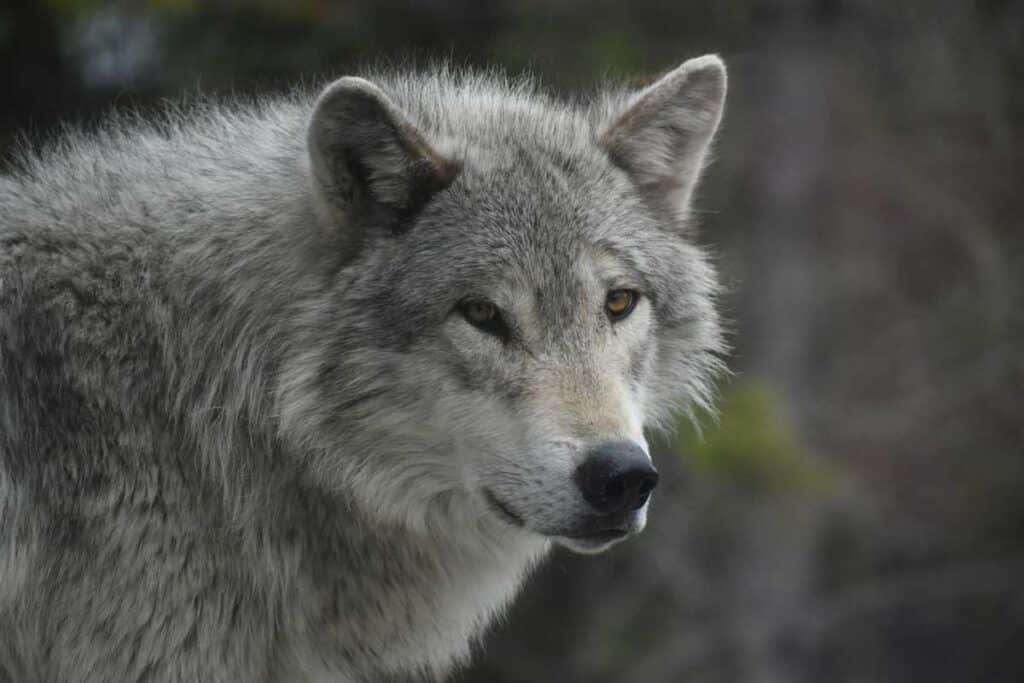
Yellowstone is widely regarded as one of the best places in the world to watch wild grey wolves. By 1926 the park had no wolf packs left. Between 1995 and 1997, biologists released 41 wild wolves from Canada and north-west Montana. Their descendants now roam the park.
Numbers have fallen recently. The park counted 84 wolves in eight packs at the end of 2025, down from 108 in nine packs a year earlier. That figure comes from the park’s wolf project lead biologist, as reported by the International Wolf Center. A canine distemper outbreak, which is especially lethal to pups, hit Wyoming and Yellowstone wolves in 2025.
Sightings are never guaranteed. One tour reviewer warned that predators are further away than most visitors expect. Another saw no wolves on the day. This guide covers the best areas to look, and the tours that run from each gateway town.
Lamar Valley, the northern range
Lamar Valley is the park’s best-known wolf-watching area. It lies in the north-east corner and is nicknamed the American Serengeti for its concentrations of wildlife. The road between Tower Junction and Cooke City runs through it. Pullouts line the road, and wolf watchers set up spotting scopes near Slough Creek.
Dawn and dusk give the best chance of seeing wolves. In winter, deep snow pushes elk down to the valley floor, and wolves follow them. That makes the cold months a favourite season for wolf watchers.
A private winter wolf watching tour from Bozeman is the most focused option. A wildlife biologist leads the day for a private group of up to six. It starts at 7am, spends about two hours in Lamar Valley and ends with Mammoth Hot Springs. Lunch, binoculars and spotting scopes are included. Prices start at $1,650 per group, and 31 reviews give it 5.0.
Pickup is from Bozeman, Livingston, Gardiner or Mammoth Hot Springs. Confirm what park fees the booking covers.
For a different format, a private wolf watching and wildlife safari with lunch runs six to nine hours. It starts at $1,999 per group, with a picnic lunch and short hikes. A full-day Lamar Valley wildlife safari from Bozeman costs from $350, with prices varying by group size. It lasts 10 to 11 hours.
Gardiner and the North Entrance
Gardiner, Montana, is the park’s north gateway town. The Roosevelt Arch marks the entrance. The road from the North Entrance towards Lamar Valley is typically open all year, which suits winter wolf watching.
The guided Yellowstone wildlife tour from Gardiner is the best-reviewed group option. It lasts eight hours and starts at $250. More than 130 reviewers give it 4.9. The guide heads for wherever animals are active, which may be Lamar Valley, Hayden Valley or both. Reviews are mixed on wolves. One group watched a pack crossing a plateau, and another saw none.
For a gentler start, a private evening wildlife tour leaves Mammoth or Gardiner by 4pm. It spends the dusk hours in Lamar Valley with a naturalist guide. The tour lasts four hours and starts at $300.
Winter visitors can also try the private VIP wildlife winter safari. It lasts six to eight hours and starts at $350, with prices varying by group size.
West Yellowstone and Hayden Valley
West Yellowstone is the park’s busiest gateway for visitors arriving from the west. It lies on the opposite side of the park from Lamar Valley, so a wolf tour from here makes a long day. Hayden Valley lies in central Yellowstone and is another recognised wildlife area.
The upper loop tour and Lamar Valley from West Yellowstone is a small-group option. It lasts eight hours, with lunch, warm drinks, binoculars and spotting scopes provided. It has more than 210 reviews and a 4.8 average, and prices start at $292.
Hayden Valley fans can book the private wildlife safari with lunch. It starts early and visits Lake Yellowstone and Hayden Valley. The listing mentions wolves and bears alongside bison and elk. The guide supplies binoculars and a spotting scope. It lasts eight hours and starts at $425.
A private sunset safari from West Yellowstone is a shorter evening option. It lasts four to five hours and starts at $345.
Practical tips for seeing wolves in Yellowstone
When to go
Wolves live in the park all year. Tour operators say the best seasons are winter and early summer. In winter the animals gather on lower ground, and Viator’s listings describe the winter season as running from 1 November to 30 April. Whatever the season, early-morning and late-evening drives give the best chance.
Keep your distance
Stay at least 100 yards (about 91 metres) from wolves and bears. Keep 25 yards (about 23 metres) from other wildlife. Bring binoculars or a long lens, and use the pullouts rather than stopping on the road.
Park fees
Viator’s 2026 Lamar Valley page lists a $35 vehicle pass, or $20 per person on foot or by bike. Each pass lasts a week. It adds that non-US residents pay an extra $100 per person. Tour listings differ on what they include, so check each one before you book.
Do you need a guide?
You can see wolves without a guide, especially in Lamar Valley. Guides add spotting scopes and local knowledge of where packs are moving. Patience matters either way. Pack warm layers, because winter mornings are cold.
More Wyoming travel
Other Wyoming travel guides on Planet Whitley include:
- A wildlife tour in Grand Teton National Park.
- Why a guide makes a difference for wildlife-spotting in Grand Teton.
- Desperately looking for bears in Yellowstone National Park.
- Practical guide to visiting the Buffalo Bill Center of the West in Cody, Wyoming.
- Practical guide to riding the Jackson Hole Summer Aerial Tram.


