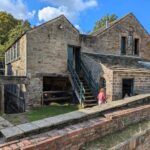
Felicity Plantation is a working sugarcane plantation and historic house museum in Vacherie, Louisiana, on the west bank of the Mississippi River. A sister property to St. Joseph Plantation — both owned by the Waguespack family — Felicity offers a distinct guided house tour in an intimate Creole cottage setting. It has a separate architectural character and family story from its larger neighbour. This guide covers tour times, admission, transport, and practical visitor tips.
Updated May 2026. The official daily tours page confirms Felicity is open seven days a week — older regional listings still show the property closed on Wednesdays, which is no longer the case. Felicity’s first tour of the day (9:30am) starts 30 minutes earlier than St. Joseph (10:00am), making it the logical first stop for visitors doing both. Book your Felicity Plantation tour through Viator to confirm your preferred time.
Quick facts: Felicity Plantation
| Detail | Information |
|---|---|
| Address | 3535 Highway 18 (Great River Road), Vacherie, LA 70090 |
| Tour times | 9:30am, 10:30am, 11:30am, 12:30pm, 1:30pm, 2:30pm, 3:00pm |
| Open | 7 days a week |
| Adult admission | $24.00 + tax |
| Youth (12–18) | $12.00 + tax |
| Child (6–12) | $8.00 + tax |
| Children 5 and under | Free |
| Combo ticket (Felicity + St. Joseph) | $46.00 adult + tax |
| Parking | Free, on site |
| Distance from New Orleans | ~50 miles, ~1 hour by car |
| Typical visit duration | 1–1.5 hours (Felicity alone); 2.5 hours (with St. Joseph) |
Felicity Plantation tour times and hours
Felicity is open seven days a week. Guided tours of the Felicity main house depart at 9:30am, 10:30am, 11:30am, 12:30pm, 1:30pm, 2:30pm, and 3:00pm. The 3pm tour is the last of the day.
Felicity’s tours begin 30 minutes before the equivalent St. Joseph tour times. Visitors planning to visit both plantations should start at Felicity, then walk to St. Joseph for the next available tour there.
Tours last approximately one hour for the guided house portion. The grounds and outbuildings are self-guided.
Felicity Plantation ticket prices
Tickets are available online in advance or at the main house on arrival.
| Visitor | Felicity only | Combo (both plantations) |
|---|---|---|
| Adult | $24.00 + tax | $46.00 + tax |
| Youth (12–18) | $12.00 + tax | $22.00 + tax |
| Child (6–12) | $8.00 + tax | $14.00 + tax |
| Children 5 and under | Free | Free |
| AAA members | $22.00 + tax | $42.00 + tax |
| Military | $22.00 + tax | $42.00 + tax |
| Seniors (65+) | $22.00 + tax | $42.00 + tax |
| College students | $17.00 + tax | $32.00 + tax |
Group rates (10 person minimum, book in advance by calling (225) 265-4078): Adult $16.00; Youth $10.00; Child $6.00.
All single-house tickets include access to the grounds and outbuildings of both properties. A Felicity-only ticket still gives you access to walk the St. Joseph grounds self-guided. The Combo ticket ($46 adult) adds the guided house tour at St. Joseph — saving $2 versus two individual tickets bought separately ($24 × 2 = $48).
Book your Felicity Plantation tour through Viator to secure your preferred tour time.
Why visit Felicity Plantation?
- 🏡 An intimate Creole cottage — a different experience from St. Joseph: Where St. Joseph is a grander Greek Revival manor, Felicity is a more intimate Creole plantation cottage with its own distinct architectural character and family story. Visiting both in the same day gives the most complete picture of antebellum River Road plantation life.
- 🌾 A still-working sugarcane farm: Together with St. Joseph, Felicity cultivates approximately 1,000 acres of sugarcane annually — making the two plantations among the last working sugarcane farms in Louisiana that are fully open to the public. Visitors experience the landscape as it has been used for over two centuries.
- 👪 Family-owned continuity: Like St. Joseph, Felicity has remained in the Waguespack family for generations — providing the kind of deeply personal, first-hand family history that distinguishes this site from larger, more institutionalised plantation museums.
- 📜 The enslaved people’s history, told honestly: The Felicity tour addresses the history of the enslaved workers on the plantation directly, alongside the family narrative. Original structures associated with the enslaved community are accessible on the self-guided grounds walk.
- 🌳 Picnic under the oaks: The official site specifically invites visitors to bring a picnic lunch to enjoy under the live oak trees after the tour. With no food concessions on site, visitors who pack their own can make the most of the riverside grounds in a relaxed, unhurried setting.
How to get to Felicity Plantation
Both Felicity and St. Joseph share the same address — 3535 Highway 18, Vacherie, LA 70090 — on the Great River Road on the west bank of the Mississippi River.
By car from New Orleans (~50 miles, ~1 hour): Take I-10 West towards Baton Rouge. Exit at LA-641 South (Gramercy Bridge) and cross the Mississippi to the west bank. Turn right (west) on Highway 18 and continue approximately 10 miles. The plantation is on the right. Sat-nav: 3535 Highway 18, Vacherie, LA 70090.
Alternative crossing from New Orleans: Use the Huey P. Long Bridge in Jefferson Parish or the Veterans Memorial Bridge in Luling, then take Highway 18 westbound.
There is no public transport to Vacherie. A car or organised group tour is the only practical option.
5 great experiences in New Orleans to book today
- 🎷 Steamboat Natchez jazz cruise – Go for a jazz cruise aboard the Steamboat Natchez.
- 🍤 French Quarter food tour – Take a French Quarter food tour and discover Louisiana’s distinctive Cajun and Creole cuisine.
- 🐊 Swamp and bayou boat tour – Enjoy a swamp and bayou boat tour with a quieter boat for better wildlife sightings.
- 👻 New Orleans’ dark side – On a tour of New Orleans’ dark side, uncover ghosts, vampires, crime and voodoo.
- 🏛️ Whitney Plantation tour – Hear the true stories of slavery on a Whitney Plantation tour with transport from New Orleans.
Parking at Felicity Plantation
Parking is free on site and shared between Felicity and St. Joseph. The car park accommodates cars and tour coaches.
How long to spend at Felicity Plantation
Allow one to one and a half hours for a Felicity-only visit. Add approximately 1.5 hours for the grounds and outbuildings self-guided walk after the house tour. Visitors doing both plantations (Felicity + St. Joseph) should allow a full two and a half hours.
Accessibility at Felicity Plantation
Felicity is a historic structure with stairs and uneven terrain on the grounds. The official website does not detail specific accessibility provisions. Contact the plantation at (225) 265-4078 before visiting to discuss arrangements for visitors with mobility limitations.
Inside Felicity Plantation: what to see
The Felicity main house is a Creole plantation cottage — lower in scale and more intimate in character than the Greek Revival manor at St. Joseph. Its architectural style reflects an earlier period and a different branch of the Creole plantation tradition. The guided tour covers the history of the house, the Waguespack family’s stewardship, and the lives of the free and enslaved people who formed the plantation community.
The enslaved community’s history is addressed directly throughout the Felicity tour. Original structures associated with the enslaved workers are accessible on the self-guided grounds walk. The tour presents this history as part of a full and unvarnished account of plantation life on both sides of the economic and social divide.
The grounds and outbuildings are self-guided and accessible to all ticket holders, including those who only booked a single-house ticket. Several original structures associated with the working plantation — including dwellings of the enslaved — remain on the property.
The Louisiana Sugarcane Museum is included with all tickets. It covers the history of Louisiana’s sugarcane industry from the colonial era through the present day, with exhibits on cultivation techniques, harvesting equipment, and the economic transformation brought by sugar to the lower Mississippi Valley.
The active sugarcane fields visible from the property are part of the working farm that spans approximately 1,000 acres combined across Felicity and St. Joseph — one of the last productive River Road sugarcane operations open to the public.
Combo with St. Joseph: Most visitors to Felicity also take the St. Joseph tour. The two houses are distinct in style, period, and narrative — spending two and a half hours with both gives a substantially richer understanding of River Road plantation history than either property alone. Arrive at Felicity first (first tour 9:30am) and follow with St. Joseph (first tour 10:00am or 11:00am depending on Felicity tour start).
Practical visitor tips for Felicity Plantation
| Tip | Detail |
|---|---|
| Start at Felicity if doing both | Felicity’s first tour is at 9:30am — 30 minutes before St. Joseph’s 10:00am start. Beginning at Felicity and moving to St. Joseph gives the most efficient itinerary and prevents the houses from bleeding into each other. |
| The Combo ticket saves money | $46 adult for both guided tours versus $48 (two individual tickets at $24 each). Buy the Combo at the first house you visit. |
| All single tickets include grounds access to both properties | Even a Felicity-only ticket allows you to walk the St. Joseph grounds self-guided. You do not need a separate ticket to access the outbuildings and grounds of the adjacent property. |
| No food or drink on site | The plantation does not sell food or beverages. Bring water, particularly from May through October when Louisiana heat and humidity are severe. The official site invites visitors to bring a picnic for under the oaks. |
| The River Road has no shoulder for cycling | Highway 18 is a working road with fast-moving traffic. Cycling between plantations is dangerous and not recommended. Drive between sites or walk along the levee path where available. |
Frequently asked questions about Felicity Plantation
| Question | Answer |
|---|---|
| Is Felicity Plantation open every day? | Yes, seven days a week. Tours run at 9:30am, 10:30am, 11:30am, 12:30pm, 1:30pm, 2:30pm, and 3:00pm. Several older sources still say it is closed on Wednesdays — this is not current. |
| What is the difference between Felicity and St. Joseph? | They are distinct plantations with different main houses, architectural styles, and family histories. Felicity is a Creole cottage; St. Joseph is a larger Greek Revival manor. Both are owned by the same family and cover the same historical periods but offer genuinely different tours. |
| Do you need to book in advance? | Not required for individuals. Walk-up tickets are available at the main house. Pre-booking through Viator or the official site is recommended at weekends and for groups. |
| Does a Felicity ticket include St. Joseph? | A Felicity-only ticket includes access to the grounds and outbuildings of both properties. It does not include the guided house tour at St. Joseph. The Combo ticket ($46 adult) covers the guided house tour at both. |
| Is the tour suitable for children? | Yes. The tour covers the history of slavery directly and honestly; parents should prepare younger children accordingly. The grounds, outbuildings, and sugarcane fields are engaging for all ages. Children 5 and under enter free. |
Things to do near Felicity Plantation
St. Joseph Plantation (same address, immediately adjacent) is the sister property whose guided tour is a natural companion to Felicity. The Combo ticket covers both and saves $2 over individual ticket purchases. St. Joseph’s first tour is at 10:00am — arrive at Felicity for 9:30am to do both efficiently.
Oak Alley Plantation (~5 miles west on Highway 18, ticketed) is the River Road’s most visually iconic plantation, fronted by a quarter-mile canopy of 300-year-old live oaks.
Laura Plantation (~5 miles west on Highway 18, ticketed) is a highly regarded Creole plantation tour that centres on the documented accounts of the Creole women who ran the property and the enslaved people who worked it.
Whitney Plantation (~15 miles east on Highway 18, Edgard, ticketed) is the only Louisiana plantation museum with its primary interpretive focus on the lives of the enslaved, with a memorial wall of names and original field worker cabins.
Nottoway Plantation (~30 miles south, White Castle, ticketed) is the largest surviving antebellum plantation house in the South — a 53,000-square-foot Italianate mansion with tours, a restaurant, and accommodation.
What to visit tomorrow: plantation museums and historic sites within two hours
Whitney Plantation (Wallace, LA, ~15 miles east, ~20 minutes) is the most important memorial to the enslaved in the American South, with first-name documentation of the people who worked these River Road plantations, original structures, and sculpture by Woodrow Nash.
Houmas House (Burnside, LA, ~20 miles east, ~25 minutes) is a Greek Revival mansion with formal gardens, on-site restaurants, and comprehensive exhibitions on the River Road’s plantation heritage.
Destrehan Plantation (Destrehan, LA, ~35 miles east, ~45 minutes) is the oldest documented plantation house in the lower Mississippi Valley and the site of the tribunal following the German Coast Uprising of 1811 — the largest slave revolt in American history.
Magnolia Mound Plantation (Baton Rouge, LA, ~30 miles west, ~35 minutes) is a late-18th-century Creole farmhouse on the edge of Baton Rouge, offering one of the most historically grounded tours on the River Road.
Myrtles Plantation (St. Francisville, LA, ~60 miles north-west, ~1.5 hours) is an 1796 plantation house best known for its reputation as one of America’s most haunted sites, with tours available daily and overnight accommodation in the historic house.