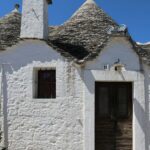
Svrzo’s House is an 18th-century Ottoman-era home in Sarajevo’s old town, preserved as one of the Museum of Sarajevo’s five annexes.
This guide was updated in July 2026. The adult admission price is now 5KM, up from the 3KM that many tourism sites still list, and the combined ticket covering all five annexes has risen to 20KM, double the 10KM figure still quoted elsewhere. You can book in advance through Viator to confirm your ticket before you travel.
Quick facts
| Detail | Information |
|---|---|
| Address | Glođina 8, 71000 Sarajevo, Bosnia and Herzegovina |
| Hours | May–October: Mon–Fri 9am–5pm, Sat 10am–3pm; November–April: Mon–Fri 10am–4pm, Sat 10am–3pm; closed Sundays |
| Adult admission | 5KM |
| Students | 2KM |
| Children and pensioners | 1KM |
| Combined ticket (all five Museum of Sarajevo annexes) | 20KM |
| Typical visit duration | 30–45 minutes |
Why book Svrzo’s House tickets?
- 🏛️ One of the finest Ottoman-era homes in the Balkans: preserved much as a wealthy 18th-century family would have lived.
- 🎟️ One ticket covers five museums: combine your visit with four other Museum of Sarajevo annexes for 20KM.
- 🌿 Two courtyards and two gardens: connecting four separate historic buildings.
- 📜 A story of two Sarajevo families: built by the Glođo family, later passed by marriage to the Svrzo family who gave the house its name.
- 💰 Just 1KM for children and pensioners: one of the most affordable historic house museums in the region.
Opening hours for Svrzo’s House
Hours change with the season. From May to October, Svrzo’s House is open Monday to Friday, 9am to 5pm, and Saturday, 10am to 3pm. From November to April, weekday hours shorten to 10am–4pm, while Saturday stays the same. The house is closed on Sundays year-round. In summer, it also hosts concerts and exhibitions alongside the permanent collection, so check ahead if evening events might affect a daytime visit.
Ticket prices for Svrzo’s House
| Ticket type | Price |
|---|---|
| Adult | 5KM |
| Student | 2KM |
| Child | 1KM |
| Pensioner | 1KM |
| Combined ticket, all five Museum of Sarajevo annexes | 20KM |
The combined ticket also covers Brusa Bezistan, Despić’s House, the Museum of Sarajevo 1878–1918, and the Jewish Museum, all within walking distance in Sarajevo’s old town. The official pricing page doesn’t state whether these prices include tax. Book through Viator if you’d rather have your ticket confirmed ahead of time.
How to get to Svrzo’s House
On foot: Svrzo’s House is in Sarajevo’s old town, a short walk uphill from Baščaršija, the historic bazaar quarter.
By tram or bus: Sarajevo’s city centre trams and buses stop within walking distance of Baščaršija, from where the house is signposted.
By car: the surrounding old town streets are narrow and largely pedestrianised, so driving isn’t the practical option for this part of the city.
Parking
Svrzo’s House has no dedicated car park, sitting within Sarajevo’s pedestrianised old town. Visitors driving in should look for public parking on the edges of Baščaršija and walk in from there.
How long to spend at Svrzo’s House
Most visits take 30 to 45 minutes, enough time to walk through all four buildings, both courtyards, and the gardens at an unhurried pace.
Accessibility at Svrzo’s House
As a historic 18th-century complex built around stone-paved courtyards, Svrzo’s House has uneven surfaces, thresholds, and stairs between buildings. The official site doesn’t publish specific accessibility information, so it’s worth contacting the museum directly ahead of a visit if mobility is a concern.
What to see at Svrzo’s House
The Men’s House (Selamluk) was the public, reception part of the home, where the host would have entertained male guests, separate from the family’s private quarters.
The Old Women’s House and Young Women’s House, part of the haremluk or family quarters, show the domestic side of life for the women of the household. The Young Women’s House was added to the complex in 1832.
The Bachelor’s House completes the four connected buildings, all linked by two courtyards and two gardens.
Traditional furnishings throughout include halvati (spacious reception rooms), čardaci and doksati (upper floors projecting out for views over the city), kamerije (wooden balconies facing the courtyard), and musandre, carved wooden built-in cupboards for storing bedding.
The house takes its name from the Svrzo family, who acquired it through marriage to the Glođo family that originally built it. The street outside, Glođina, still commemorates the original owners.
Practical visitor tips
| Tip | Detail |
|---|---|
| Buy the combined ticket if you’re museum-hopping | For 20KM, it covers Svrzo’s House and four other Museum of Sarajevo annexes nearby. |
| Check for summer events | Concerts and exhibitions sometimes run alongside the permanent collection between May and October. |
| Bring cash | Small museum annexes like this one may not always take cards. |
| Wear comfortable shoes | The stone courtyards and thresholds between buildings are uneven underfoot. |
| Go on a weekday if you can | Saturday hours are shorter, and the house is closed entirely on Sundays. |
FAQ
| Question | Answer |
|---|---|
| How much does a ticket cost? | 5KM for adults, with reduced rates for students, children, and pensioners. Booking in advance confirms your ticket ahead of time. |
| Is it open on Sundays? | No, Svrzo’s House and the other Museum of Sarajevo annexes are closed every Sunday. |
| Is there a discount for visiting multiple museums? | Yes, a combined ticket covering all five Museum of Sarajevo annexes costs 20KM. |
| How long does a visit take? | Around 30 to 45 minutes to see all four buildings, the courtyards, and the gardens. |
| Whose house was this originally? | It was built by the Glođo family and later passed by marriage to the Svrzo family, who eventually sold it to become a museum. |
Things to do nearby
Baščaršija, Sarajevo’s historic old bazaar, is a short walk downhill, packed with coppersmith workshops, cafes, and the Sebilj fountain.
Gazi Husrev-beg Mosque, one of the finest examples of Ottoman architecture in the Balkans, is within easy walking distance.
Brusa Bezistan, a covered market built in 1551, is another Museum of Sarajevo annex covered by the combined ticket.
Despić’s House, the former home of a wealthy Serbian Orthodox merchant family, offers a contrasting look at Sarajevo’s other historic communities, also on the combined ticket.
The Museum of Sarajevo 1878–1918, housed at the site of the 1914 assassination that triggered the First World War, rounds out a full afternoon of the city’s layered history.
What to visit tomorrow
Muslibegović House, in Mostar, is a similarly preserved 18th-century Ottoman-era residential complex, now a national monument with its own courtyards and period rooms. It’s about two hours’ drive from Sarajevo, and makes a natural comparison to Svrzo’s House from the other side of Bosnia and Herzegovina’s Ottoman heritage.