Spain might well be my favourite country on earth to visit, and that’s partly because it does so many things better than elsewhere. Spain excels at tapas, suckling pig, alcázars (palaces/fortresses), flamenco shows, sherry, clubbing (Ibiza), art museums, mad festivals, pilgrimage, and Moorish architecture. These things, it simply does better…
Tapas
Small plate dining has conquered the globe, but in Spain, tapas often still consists of small snacks handed out at bars along with a drink. This, of course, makes it a fabulous place to hop between small bars.
Tapas can veer between a small hunk of omelette in spit and sawdust joints to the fabulously elaborate pintxos of the Basque region.
Michelin star-drenched San Sebastian is the high temple of the latter, but most cities have handy tapas tours at night.
Suckling pig
The Spanish love of jamón is no great secret – giant hanging hams are often the sign of a great restaurant. But where this obsession approaches divinity is in the suckling pig, often served on its own with no garnish or accompaniment.
The world’s oldest restaurant – El Botín in Madrid – serves it. But the real HQ is Segovia, where pretty much everywhere does it brilliantly.
Alcázars
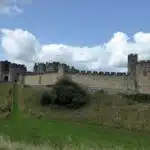
Segovia is also home to an absolutely splendid alcázar, a distinctively Spanish hybrid of palace, castle and fortress. This one overlooks the vast plains of Central Spain from the edge of an escarpment, taking on turret fairytale looks.
But it’s by no means the country’s only tremendous alcázar – and for sheer bulk and majesty of interior decoration, Seville’s is arguably the champion.

Flamenco
Seville is also the birthplace of flamenco, which is way more than just a style of music or a type of dancing. The two combine with for a soulful, intense spectacle in nightly flamenco shows that sprout up all over the city. Some are more authentic than others, but the shows at the Casa De La Memoria are reliably good.
Sherry
Aside from tapas and flamenco, Andalucia’s other great gift to the world is sherry. It derives from the Jerez region, which is teeming with bodegas all too willing to let you taste test your way through the surprisingly large array of flavours.
A good place to start differentiating manzanillas from olorosos is the Bodegas González Byass next to the Alcázar in Jerez city – it’s home to the globetrotting Tio Pepe brand.
Clubbing
Miami and Las Vegas can try to muscle in, but the centre of the world’s clubbing scene is still the Balearic Island of Ibiza. The massive summer party season sees people from around the world flock to gigantic superclubs such as Pacha and Privilege for hedonistic sweat-fests and the biggest name DJs on earth.
Art museums
No city on earth has a more impressive trio of art museums than Madrid, where the old master-packed Prado, the more eclectic Thyssen–Bornemisza and20th century-leaning Reina Sofía (Picasso’s Guernica is here) congregate. But there are big beasts elsewhere too – including the Museo Picasso in Malaga and the Dalí Theatre-Museum in Figueres.
Mad festivals
Pamplona’s Running of the Bulls in July has gained a fair degree of notoriety over the years – largely due to gung-ho tourists getting gored. But it’s by no means Spain’s only absurd festival.
Valencia’s Las Fallas in March sees giant papier mache effigies being paraded through the streets then burned, while. And La Tomatina in Buñol, held on the last Wednesday every August, is basically an excuse for tens of thousands of people to throw tomatoes at each other.
Pilgrimage
The Camino de Santiago has enjoyed a curious renaissance over the last couple of decades, and often amongst people who aren’t even religious. The long distance hike across the mountainous regions of Northern Spain, staying in simple huts along the way and finishing in Santiago De Compostela, has become as much a challenge as a pilgrimage.
Moorish architecture
For a long time in Europe’s medieval period, much of Spain was under Islamic rule, and this shines through in the architecture of some of the country’s most magnificent buildings.
The two absolute must-see pinnacles of this ‘Moorish’ architecture are the sprawling yet intricate Alhambra palace (book in advance) in Granada and the Mezquita in Córdoba.
The latter has hundreds of mesmeric stone and bridge archways, plus a Christian cathedral built inside a giant mosque.
More Spain travel
Other Spain travel articles on Planet Whitley include:
- Trying to understand the culture of bullfighting in Seville’s bullring.
- How fast is the Madrid to Cordoba train?
- Six ways to improve your visit to Madrid.
- A first time visitor’s guide to Valladolid, Spain.
- Does the Almeria to Granada train make for a viable day trip?