Singapore is often described as “Asia for beginners”, thanks to its accessibility, cleanliness and family-friendly attractions. But beyond the modern cityscape lies a fascinating cultural mix that reflects influences from across the region.
A modern city with global influences
Singapore is a clean, unthreatening modern city, where English is an official language and families are well catered for. The Singapore Zoo is arguably the best in the world, while Sentosa Island is crammed full of activities and entertainment.
But it’s perhaps the “Asia” part of that tag that’s most important. This relatively tiny island hanging off the southern tip of the Asian mainland doesn’t belong to one particular part of Asia – it’s the way it has pulled in influences from all over that makes Singapore exceptional.
Experiencing hawker food culture
It may be hot and sweaty (it’s always hot and sweaty in Singapore) but it’s worth braving the humidity to take a walk through. The hawker food courts pull in dishes from all over – Indonesia, the Philippines, Sri Lanka and Korea.
The street and area names often have Malay origins, while others have self-explanatory identities. Little India, Arab Street and Chinatown all tell stories of the city’s heritage.
Five great things to do while you’re in Singapore
- Explore Singapore’s landmarks and back streets on a bike tour.
- See Singapore from above from the Sky Deck at Marina Bay Sands.
- Discover the city at night in a private group adventure – including a river cruise.
- Smell the flowers at the National Orchid Garden.
- Take a highly-rated food and culture tour through Chinatown, Little India and Kampong Glam.
Exploring Chinatown heritage
Chinatown, home of the Buddha Tooth Relic Temple, is the most atmospheric of all. The golden dragons on the temples, plus the noises and smells of the wet markets, mix with a sense of hustling energy.
In the midst of it all is the Chinatown Heritage Centre on Pagoda Street, offering an insight into a significant part of Singapore’s history and culture.
Stories of migration and hardship
Recreated are the cramped slums that Chinese migrants would have lived in just 60 years ago. The homes are little more than cubicles – one belonging to heroin-addled manual labourers, another filled with bags belonging to a clog maker, another to a painter’s family.
The migrants came from China in waves during the late 19th and early 20th centuries, many fleeing war and poverty in their homeland. Singapore’s role as a trading port made it a land of opportunity, though life was often brutally hard.
Cultural lessons at Haw Par Villa
More insights into Chinese-Singaporean culture come at wonderfully weird Haw Par Villa, billed as a Chinese theme park. It features pagodas and bizarre sculptures of rats, but it’s the Ten Courts of Hell that draw visitors.
Built inside a cave, the exhibit features figurines being tortured in gruesome ways as morality tales to teach children right from wrong.
A nation shaped by planning and trade
A trip around the island reveals what makes Singapore culturally fascinating. The vast port of Singapore shows how trading and shipping have driven prosperity, while the identikit tower blocks illustrate a centrally planned, conformist way of life.
Living standards are high – the villages all come with pools and impressive facilities, but a certain degree of independence is sacrificed for that order.
Preserving green spaces in a small country
Because the country is so small, real thought goes into how space is used. Cemeteries are concentrated in one district, poultry farms in another, ornamental fish breeders in another.
But central Singapore has been preserved as rainforest or kept green around freshwater reservoirs, offering a reminder that not all of the island is developed.
Remembering wartime history
The trip around the island can also take in temples and the moving Kranji War Memorial, but the Changi Chapel and Museum is the most powerful stop.
The chapel remembers Allied prisoners of war held during the Second World War, showing cramped cells, starvation diets and grim photographs of punishment.
Triumphs of human spirit
Yet stories of resilience shine through. Radios were smuggled in, choir concerts organised and murals painted with billiard chalk.
There are also accounts of how civilians risked their lives to help prisoners, with Singaporeans required to sing the Japanese anthem each morning and conduct business in Japanese.
Blending global architecture and culture
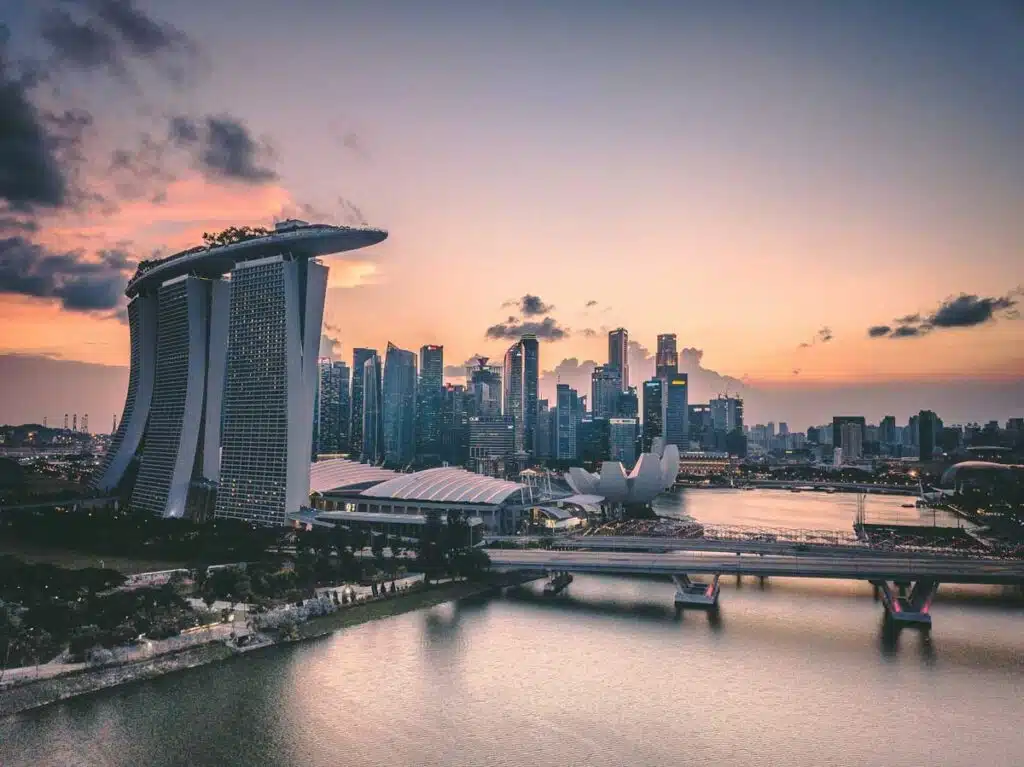
Walking through the city in the evening shows again how Singapore mixes global influences. Old English colonial buildings sit beside modern towers like Marina Bay Sands with its rooftop gardens and pools.
The Singapore Flyer big wheel combines rainforest planting with Indian food served in the capsules.
A modern twist on hawker food
One of the biggest surprises lies inside the old Convent of the Holy Infant Jesus. The Gothic complex has been transformed into a modern, upmarket hawker centre.
At CHIJMES, Cantonese sits alongside a churrascaria, Japanese BBQ with Mexican platters, Spanish tapas with whisky bars – a microcosm of Singapore’s diverse food culture.
Asia for beginners, rich in experiences
It’s indicative of a tiny nation that packs in a lot. Singapore rewards visitors who dig into its history and culture, blending accessibility with remarkable depth.
It may be Asia for beginners, but Singapore is one of the world’s great stopover cities and there’s a rich experience to be had.
More Singapore travel
Other Singapore travel articles on Planet Whitley include:
- Braving the Singapore Flyer with food poisoning.
- Why Singapore Zoo is the best zoo in the world.
- Urban planning games at the Singapore City Gallery.
- The attractions that explore Singapore’s Chinese heritage.
- Personal recommendations for a short break in Singapore.
For more Singapore tours, activities and experiences, head this way.