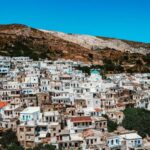
Crete has been making wine since the Minoan era — a history of roughly 4,000 years. The island grows its own distinctive grape varieties, many found nowhere else in the world. The hilly Kissamos region west of Chania is one of its core wine-producing areas, and this half-day tour from Chania takes you directly into it. Two family wineries, 10 wines, olive oil tasting and a drive through traditional Cretan villages — all in under five hours.
Check dates and book the Chania wine and olive oil tour →
Cretan wine: what makes it different
Crete’s winemaking tradition is older than classical Greece. Minoan palace sites have yielded evidence of wine production from around 2000 BC. The island’s isolation over millennia preserved grape varieties that disappeared elsewhere. Today, Crete produces wines from indigenous varieties including Vidiano, Vilana, Assyrtiko and Muscat of Spina — the last of these found almost exclusively on the island.
The Kissamos area, in the far west of Crete, has a distinct terroir shaped by its proximity to the White Mountains (Lefka Ori) and the sea. Altitude, limestone soils and consistent winds all influence the character of the wines produced here.
The “holy wine” connection
The tour’s name references the historic role of Cretan monasteries in preserving and producing wine. The most significant is the Monastery of the Holy Trinity (Agia Triada) Tzagarolon — a Venetian-era foundation in the foothills of the White Mountains, still active and still producing organic wine, olive oil, honey and vinegar. The monks have maintained continuous production for centuries. The monastery’s wines are among the more unusual products you can taste in western Crete.
The tour visits the monastery as part of a wider itinerary that also takes in two family-run commercial wineries. Between the three, you get a picture of Cretan winemaking that spans centuries of tradition and modern viticulture.
Book the Crete wine and olive oil tour on Viator →
What the tour covers
Pick-up is by air-conditioned minibus from hotels in the Chania area. The route heads west through traditional Cretan villages before climbing into the Kissamos hills. The itinerary includes:
- First family winery — established in 1993, focused on modern farming methods. Wines include award-winning Vidiano, Muscat of Spina, and international varieties including Grenache, Syrah and Mourvèdre — each shaped by the local terroir.
- The oldest olive tree — an estimated 3,000-year-old tree in the Kissamos area, still producing olives. Context is provided on Cretan olive cultivation and the island’s relationship with olive oil.
- Second family winery — a tasting focused on local white blends including Vilana, Vidiano and Assyrtiko.
- Olive oil tasting — cold-press extra virgin olive oil from the region, tasted with traditional Cretan bread, sea salt and oregano.
In total, the tour includes tastings of approximately 10 wines across the two wineries, accompanied by snacks at each stop. The food is substantial enough to count as lunch for most people.
Practical details
| Duration | Approximately 4.5 hours |
| Rating | 4.8/5 from 272 reviews (Viator and TripAdvisor combined) |
| Pick-up | Hotels in the Chania region; multiple central meeting points for Old Town and harbour hotels |
| What’s included | Air-conditioned minibus, English-speaking guide, wine tastings at two wineries, olive oil tasting, Cretan snacks |
| Not included | Gratuities |
| Age restriction | Wine tasting for ages 18+. Under-18s receive water or fresh orange juice instead. |
| Booking | Must be booked at least 12 hours in advance |
| Cancellation | 50% refund if cancelled 5 or more days before; no refund after that. Full refund if the operator cancels due to weather or low numbers. |
| Allergies | Inform the operator at booking if you have dietary requirements |
What visitors say
The tour holds a 4.8 out of 5 rating from 272 reviews, with the wine knowledge of the guide and the quality of both the wines and the snacks cited consistently. The combination of mountain scenery, winery visits and the historical context — particularly around the monastery wines and the ancient olive tree — is repeatedly highlighted as what makes this tour distinctive.
Reviewers describe the food accompaniments as generous, and several note they were too full for dinner afterwards. Arrive hungry.
Book the tour
The Chania wine and olive oil tour is bookable through Viator. Note the cancellation policy is stricter than most tours — a 5-day notice window applies for any refund. Book when your dates are confirmed. The guide is a qualified sommelier and the tour runs in small groups, so spaces are limited.
See availability and book the Chania wine tour →
Frequently asked questions
What grape varieties are unique to Crete?
Crete has a number of indigenous grape varieties found nowhere else in the world. The most widely planted white varieties are Vidiano, Vilana and Muscat of Spina. Kotsifali and Mandilari are the dominant local reds. Assyrtiko, better known from Santorini, is also grown across Crete. These varieties thrive in the island’s hot, dry conditions and produce wines with high natural acidity and distinctive flavour profiles.
What is the Agia Triada monastery in Crete?
The Monastery of the Holy Trinity (Agia Triada) Tzagarolon is a 17th-century Venetian-era foundation in the foothills of the White Mountains near Chania. It remains an active working monastery. The monks produce certified organic wine, olive oil, honey, vinegar and olive oil soap — all sold from the monastery. The site also houses a museum with icons and ecclesiastical artefacts, including a 12th-century manuscript cover.
What is Cretan olive oil?
Crete produces around 30% of all Greek olive oil and has one of the highest per-capita olive oil consumption rates in the world. The dominant variety is Koroneiki — a small olive with high oil content and a robust, peppery flavour. Cold-press extra virgin olive oil from the Chania region is considered among the finest produced anywhere. The ancient olive tree visited on this tour is estimated to be between 3,000 and 5,000 years old and is still bearing fruit.
Is the wine tour suitable as a morning activity?
Yes. Pick-up is in the morning and the tour returns in time for the afternoon. The snacks served at the wineries are substantial, so most people treat the tour as covering lunch. It pairs well with an afternoon on Chania’s beaches or an evening in the old town.
What is the best time of year to visit Crete for wine tourism?
The Cretan harvest season runs roughly from late August through October, when grapes are picked and the wineries are at their most active. Visiting during this period means you may see production in progress. The tour runs year-round, but spring and autumn offer the best combination of comfortable temperatures and uncrowded roads through the Kissamos hills.
More Crete travel
Other Crete travel articles on Planet Whitley include:
- Practical guide to visiting the Ancient Theatre of Aptera.
- Plan your visit to the Archaeological Museum of Chania in Crete.
- Fully-researched guide to visiting the Palace of Knossos near Heraklion.
- What to expect at the Heraklion Archaeological Museum.