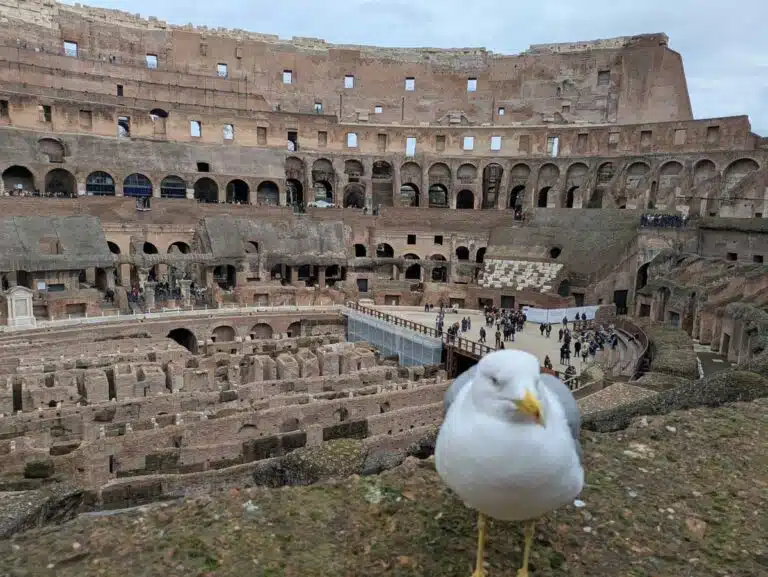
Few cities deliver a density of historical significance comparable to Rome. Here, three millennia layer themselves atop each other in extraordinary proximity—the Colosseum and Roman Forum preserve imperial grandeur alongside Renaissance churches, whilst every piazza seems designed for lingering over espresso. Yet the Eternal City simultaneously frustrates and fascinates: the crowds inside the Sistine Chapel can overwhelm its artistic magnificence, and finding genuinely good food near your hotel requires more luck than tourists typically possess. The city rewards both careful planning—such as understanding why private tours of major sites often prove superior—and spontaneous discovery, like stumbling upon a cat sanctuary at Julius Caesar’s assassination site.
These Rome travel articles provide honest assessments alongside practical guidance. You’ll discover why Rome suits solo travellers particularly well, find logistical information for navigating ancient attractions like the Pantheon and the Baths of Caracalla, and access frank opinions about experiences that tourist literature often oversells. Whether you’re planning your first Roman holiday or returning to explore beyond the obvious highlights, these guides approach Italy’s capital with appreciation tempered by realism, helping you maximise time in a destination where informed decisions unlock extraordinary experiences.
Ancient Rome and Imperial Monuments
The heart of the ancient empire remains strikingly visible across the modern city. These guides help you navigate the ruins of antiquity, providing the ticket logistics and touring strategies needed to bring the marble rubble to life.
Colosseum and Roman Forum: Why a private tour is the best choice: An honest assessment of the chaotic ticketing system and why paying a premium for an expert guide is often the smartest investment you can make in Rome.
The Pantheon: A 2026 visitor guide, ticket prices, and hours: What you need to know before visiting the most perfectly preserved building of ancient Rome, famous for its massive unreinforced concrete dome.
Baths of Caracalla: Ticket prices and visitor guide: Escape the dense crowds of the Forum and explore the colossal, towering brick ruins of the empire’s second-largest public bathhouse.
Castel Sant’Angelo: Ticket prices, hours, and tips: Plan your visit to Hadrian’s Mausoleum, a cylindrical fortress on the Tiber River that has served as a tomb, a castle, and a papal refuge.
Circus Maximus: A practical visitor guide: Ticket prices and hours for exploring the remains of the ancient chariot-racing stadium nestled in the valley between the Aventine and Palatine hills.
Temple of Vesta: A practical guide to the Roman Forum ruin: How to find and appreciate this circular shrine, once home to the sacred fire guarded by the Vestal Virgins.
How to see the Arch of Titus in the Roman Forum.
Art, Palazzos, and the Vatican
Rome’s Renaissance and Baroque eras produced some of the world’s most spectacular artistic achievements. Here is how to approach the city’s palazzos, chapels, and the overwhelming realities of Vatican City.
The Sistine Chapel: Why I hated the experience: A frank, honest review of the exhausting crowds, the rushed atmosphere, and the realities of visiting Michelangelo’s masterpiece.
Palazzo Altemps: Exploring the National Roman Museum: Ticket prices, hours, and tips for visiting this stunning 15th-century aristocratic mansion filled with classical Greek and Roman sculpture.
Church of St. Ignatius of Loyola: Opening hours and what to see: What you need to know before visiting this spectacular Baroque church, famous for its mind-bending illusionistic ceiling frescoes.
Basilica of St Mary of Minerva: Practical visitor guide: Just behind the Pantheon, this is the place to see Michelangelo’s Christ the Redeemer.
The Fountain of the Four Rivers in Piazza Navona, Rome: Bernini’s triumphant fountain, with monumental sculptures depicting the Danube, Nile, Ganges and River Plate.
Trevi Fountain visitor guide: Why you now have to pay to get close.
How to get into the Colonna Palace.
What to expect at the National Etruscan Museum in Rome.
Plan your visit to the Borghese Galley.
The Quirky, Macabre, and Unusual
Beyond the marble statues and grand fountains, Rome has a darker, eccentric side. Discover bone-decorated crypts and ancient assassination sites reclaimed by the city’s feline residents.
The Capuchin Crypt: Rome’s most ghoulish attraction: A guide to the eerie chapels decorated entirely with the bones of 4,000 friars beneath the church of Santa Maria della Concezione. (Plus: Can you take photos inside the crypt?)
Largo di Torre Argentina: The feline sanctuary at Caesar’s assassination site: Learn how the sunken ruins where Julius Caesar was murdered evolved into a beloved refuge for Rome’s stray cats.
Plan your visit to the Leonardi da Vinci Exhibition in Rome.
Roman Life, Food, and Travel Logistics
Navigating the modern Eternal City requires a balance of culinary savvy and realistic expectations. These guides cover dining dilemmas, independent travel, and the truth about the city’s famous public spaces.
Rome Food Tours vs. Cooking Classes: Which is the best to book?: A comparative guide to help you decide between eating your way through the Prati neighbourhood or learning to make fresh pasta from scratch.
Rome Restaurants: In praise of the decent local spot: Why ignoring the aggressive hunt for “the absolute best trattoria” and settling for a solid, nearby neighbourhood restaurant is often the key to a stress-free evening.
Rome’s Piazzas: What they sadly lack: An honest observation about the practical shortcomings of the city’s beautiful public squares.
Solo Travel in Rome: Why the city is a brilliant choice: An exploration of why Rome’s chaotic energy, endless walking routes, and incredible street food make it a top destination for independent travellers.
5 great Rome experiences to book
- 🏛️ Skip the queues on a small group tour of the Vatican, Sistine Chapel and St Peter’s.
- 🍝 Discover the tastes of Trastevere on an expert-led food tour.
- 💀 See Rome’s darker side on a combo tour of the catacombs and Capuchin Crypt.
- 👩🍳 Learn how to make fettuccine, ravioli and tiramisu at a hands-on Roman cooking class.
- 🖼️ Explore a quieter side of the city on a small group tour of the Villa Borghese Gallery and Gardens.
